Complete Streets Bill Would Help San Luis Obispo County Bikes and Peds
The following comes to us from our friends at the California Bicycle Coalition:
We’ve all had this experience.
We’re out walking a dog or riding a bike through our neighborhood when, all of a sudden, a car zooms by, too close for comfort. Our hearts race at the close call. We shake our fist at the driver, “Can’t you see people walking here?”
But when those dangerous streets and intersections are state-owned roads, we really should be shaking our fist at the state Department of Transportation (Caltrans), which designs roads that encourage speeding and dangerous driving in urban neighborhoods and rural main streets.
We can do better, but we need help from the state legislature because the worst streets in our communities aren’t under local control. These so-called “state highways” that run through our communities as urban streets or rural main streets are wholly owned and operated by Caltrans.
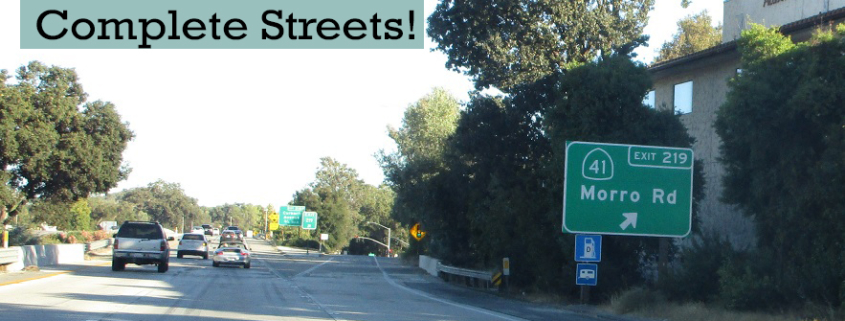
In San Luis Obispo County from 2016-2017, State Route 41 (Atascadero Rd, E.G. Lewis Hwy, Morro Rd, Robert and Pat Nimmo Memorial Hwy) saw 82 crashes, injuring 109 people, and killing 7 people. Out of those crashes 10 people were injured or killed while walking or biking on or across this state-owned road. The problem is even worse when Caltrans roads go through low-income neighborhoods where more people get around via transit, biking, and walking.
A new bill now moving through the legislature will fix it. The Complete Streets for Active Living bill, SB 127, will mandate that whenever Caltrans repaves or expands a state-owned surface street that passes through urban neighborhoods, they must create safe access for all users, including pedestrians, bicyclists, motorists, and transit riders of all ages and abilities. Do you walk or bike on Highway 41? Or Highway 1? Or Highway 58? Passage of SB 127 will make these vital streets safer for everyone.
Caltrans will often claim to make streets safer when they repair them. They even have a Complete Streets policy that requires their engineers to consider such improvements in every project. But in practice, they prioritize fast traffic over the communities demanding more livable streets almost every single time. While Caltrans should fix dangerous state highways without stronger direction from the Legislature, they often don’t. That why we need the Complete Streets Bill, to provide that direction, and force the safety improvements necessary to stop the killing and maiming on state-owned roads. Caltrans calls them highways but we call them home — lined with small businesses, schools, senior centers, places of worship, parks, and people dear to us, like our children.
The bill is not strict; Caltrans won’t have to implement safety improvements if they’re not appropriate for some reason—for example, if they’re too expensive. And the law only applies to sections where you’re likely to see people walking and biking, about 17% of the total system. But it will force Caltrans to implement safety improvements when it’s cheapest to do so: when they’re repaving the street anyway.
This kind of policy has strong support. A David Binder Research poll found that 78 percent of California voters support a policy requiring safety improvements when improving a road. They want children to be able to safely walk or bike to school.
Californians want safer, more livable streets that support local businesses and local jobs. They want the ability to walk and bike safely, because it’s affordable, healthy, and fun.
Fixing state highways to accommodate all users will improve our communities, our health, and our local economy.
The Complete Streets for Active Living Bill (SB 127) passed the Assembly Transportation Committee, but it has more hurdles to go before it becomes law. Even after months of negotiations with stakeholders to get the bill approved by the Senate, Assembly Members could kill or severely weaken the bill. Every provision that elevates the importance of biking and walking safety is at risk.
That’s why we need you to tell your state assembly member vote YES on SB 127, the Complete Streets for Active Living Bill today.
Take Action here.

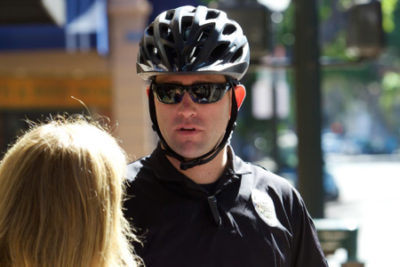
 The SLO Police department has mapped out locations from over the past 3 years where bicycle involved collisions have occurred and noted the violations that led to those crashes. SLOPD officers will be looking for violations made by people driving automobiles and people riding bikes that can lead to life changing injuries.
 Additionally, we’re reaching out to state and local lawmakers to encourage them to significantly raise the penalties for distracted driving. Deaths and injuries resulting from distracted driving are on the rise while current penalties for distracted driving are too low to dissuade drivers from multitasking behind the wheel.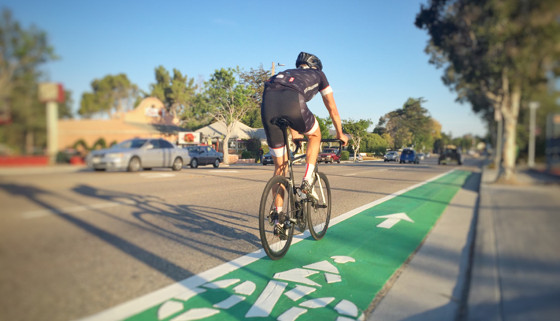
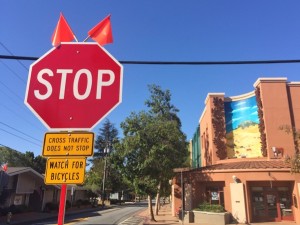 involving motorists and bicycle riders. Special patrols will be deployed to crack down on drivers and bicyclists who violate traffic laws meant to protect all roadway users.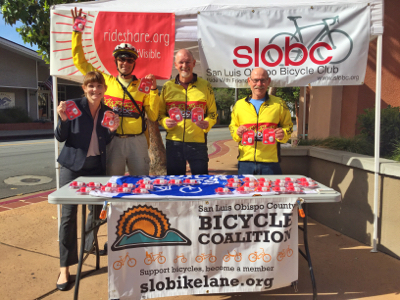
 without cost, to all of our local law enforcement agencies. Patrol officers will have the opportunity to give a free set of lights to any person riding a bicycle at night without the legally required lighting equipment. SLOBC President Will Benedict said, “This effort will help cyclists be lawful and more visible at night and greatly improve safety for all users of our roadways.”
 The law states that motorists must maintain a distance of at least three feet when passing a bicyclist.
 the Bicycle Coalition’s Interim Education Director, as she rode her bike down Pacific Street in front of Bicycle Coalition headquarters in San Luis Obispo.